Environmental & government
From field readings to useful information.
We connect sensors, data workflows and specialist software to support environmental monitoring and reporting. A reading is only useful once it reaches the person who has to act on it, so we start with the work your team does and the conditions it happens in.
What to consider
Your monitoring network produces the right outputs — but is it built for where the work is heading?
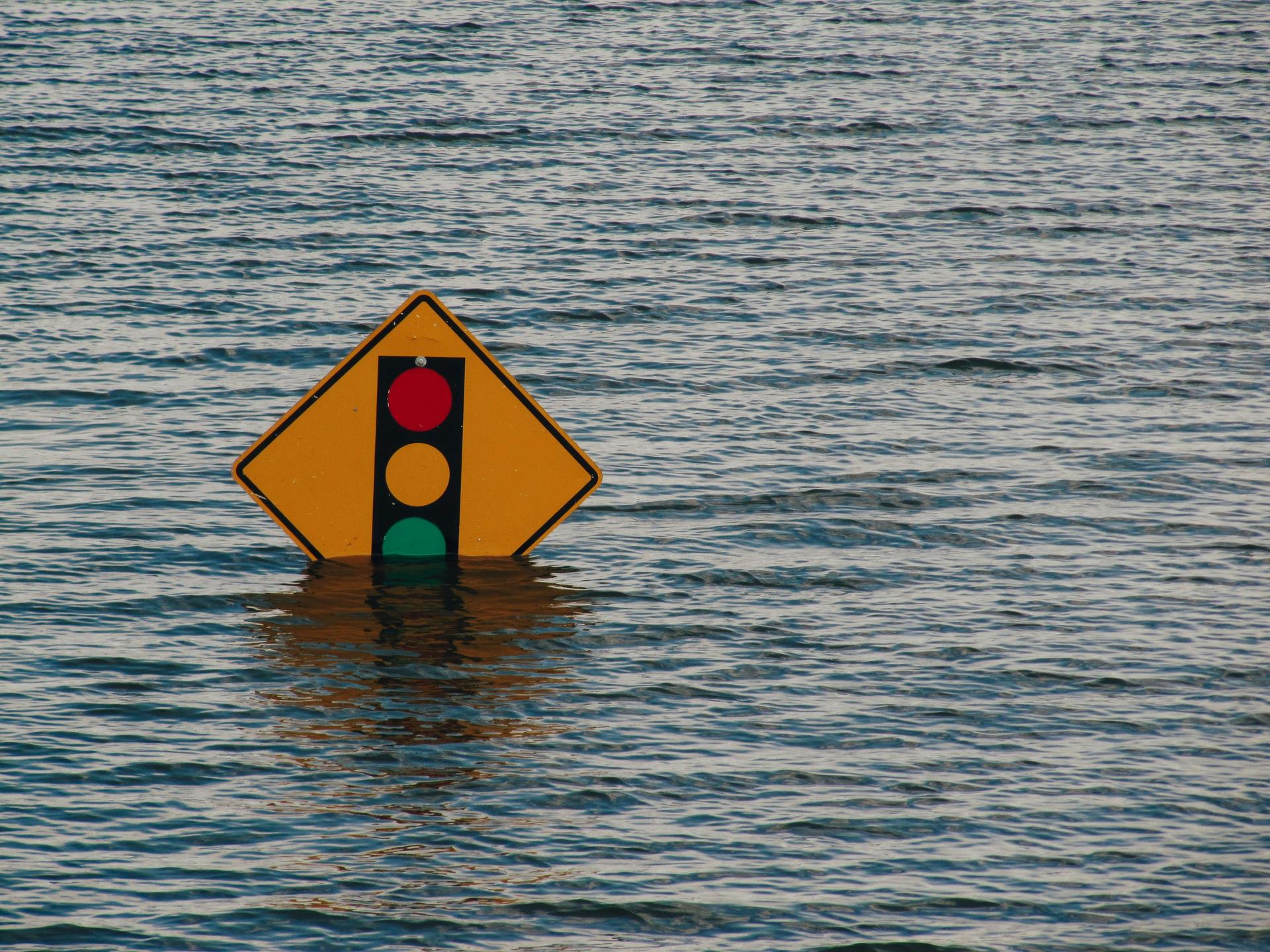
Environmental monitoring systems — flood sensors, air quality networks, water quality telemetry — are often built project by project, by different teams, with different tools. The data flows. The reports go out. But underneath, the system is held together by a small number of people who understand how the pieces connect. When one of them leaves, the organisation discovers what it actually owns.
Signs it may be time to improve the system
- Sensor networks calibrated once and never audited — readings drift without anyone noticing
- Data brokering workflows that live in one person's scripts and nowhere else
- Reporting pipelines that work until a dependency updates and breaks the chain
- Agencies sharing data through manual exports because the integration was never properly built
- No documented procedure for what happens when a remote site goes offline
We've built and integrated data workflows for flood intelligence and environmental telemetry networks across Queensland — including on-site commissioning, sensor calibration, and multi-agency data normalisation.
Where we've done this.

Start a conversation
Let’s talk about your environment.
A short conversation about your sites, systems and team can help make the next step clearer.